


Select your Market
-
{{ userContent.title }}

{{ userContent.lookingForMoreLabel }}


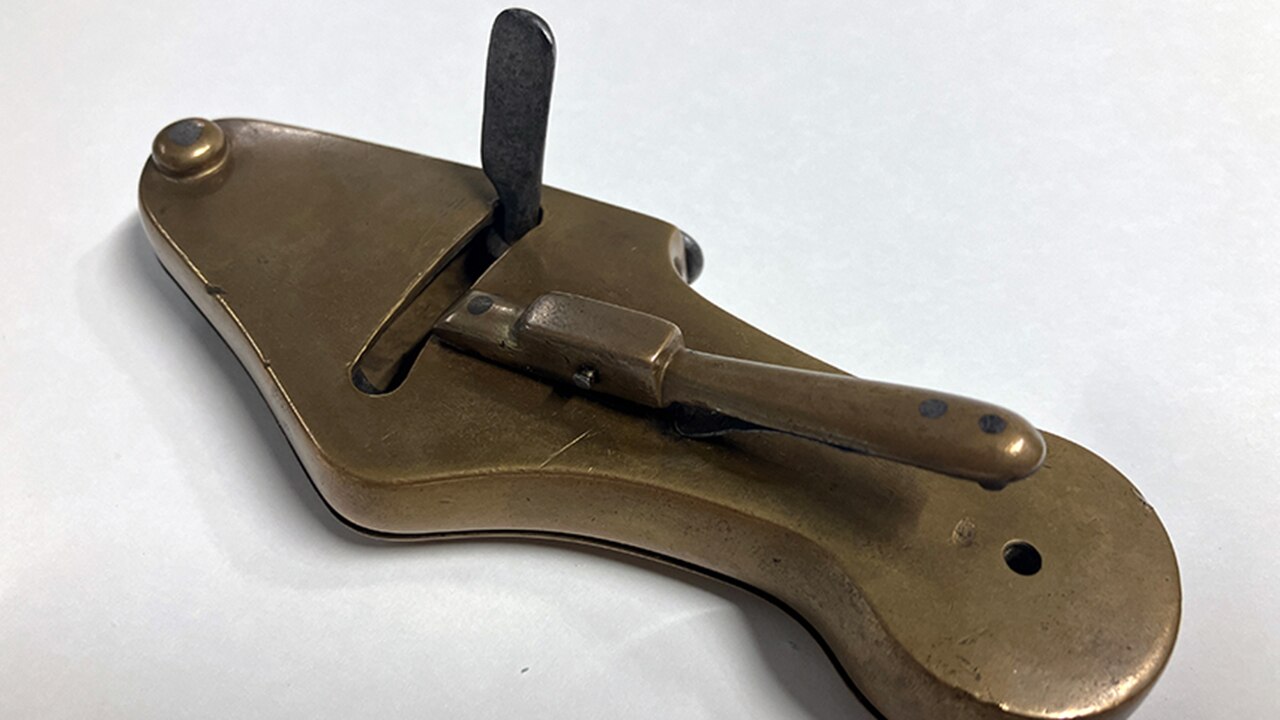
Scarificator for bloodletting, date unkown
textblock default title
Bloodletting is a technique that was developed in ancient times; however, nowadays, it is only used for a few indications. It involves the removal of a large quantity of venous blood from the patient. In the 19th century, “missio sanguinis” was still considered one of the most important measures for maintaining health and curing disease.
This method is highly significant for numerous medicinal concepts. According to the principles of “humoral pathology”, the study of the balance of “humors” in the body, bloodletting is a measure for removing harmful or excessive fluids (yellow bile, black bile, blood, mucus) from the body and creating inner balance, i.e. health
The method was so widespread that in July 1791, Carl Heinrich Merck wrote the following in his journal during an expedition to Kamchatka, Chukotka and the Aleutian Islands: “They hardly know any means to treat illness other than bloodletting.” For a long time, the procedure was performed by trained “Bader surgeons”. Various special instruments were used for this. One such instrument can be found in the display collection at Corporate History: the scarificator.
textblock default title
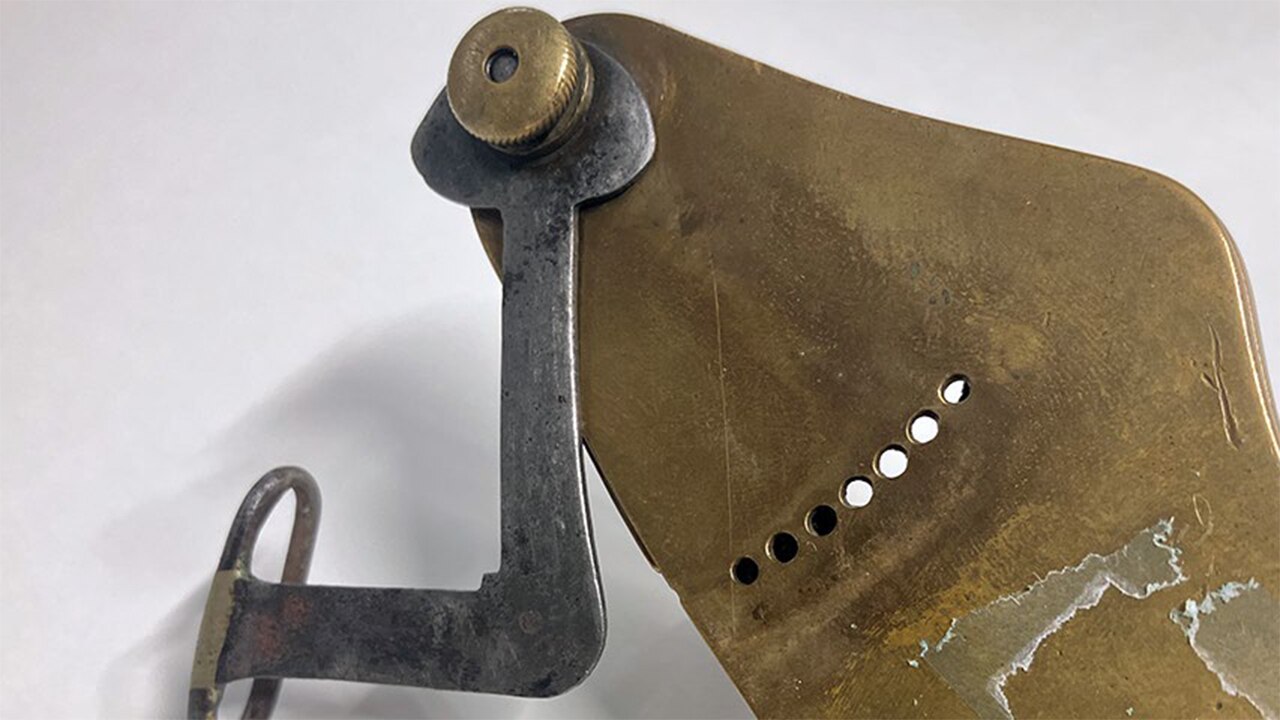
In addition to levers, the cylindrical brass device also has circular openings. Behind these openings are sharp metal lancets. A lever first tensions the lancets and then the object is ready! Beforehand, the doctor uses a strap on the patient's arm, for example, to restrict the blood flow. This makes the veins clearly visible. The scarificator is used here. One press of the lever is enough to trigger the mechanism. The lancets shoot out quickly and then retract back into the device. The blades pierce deeply and the blood starts flowing!