


Select your Market
-
{{ userContent.title }}

{{ userContent.lookingForMoreLabel }}


Testimonies of World War II, 1944
textblock default title
After a massive air raid by the Royal Air Force largely destroyed Darmstadt on September 11, 1944, the company factory premises were also hit on December 12, 1944. In the half-hour American daytime attack, 60 people lost their lives, and nearly 70 percent of the buildings were completely or partially destroyed. Where possible, production continued - in rooms without windows and heating, and sometimes even outdoors. Nevertheless, the factory was a pile of rubble, and the attack had consequences far beyond the end of the war. The destruction at the company meant a heavy financial burden for many years to come.
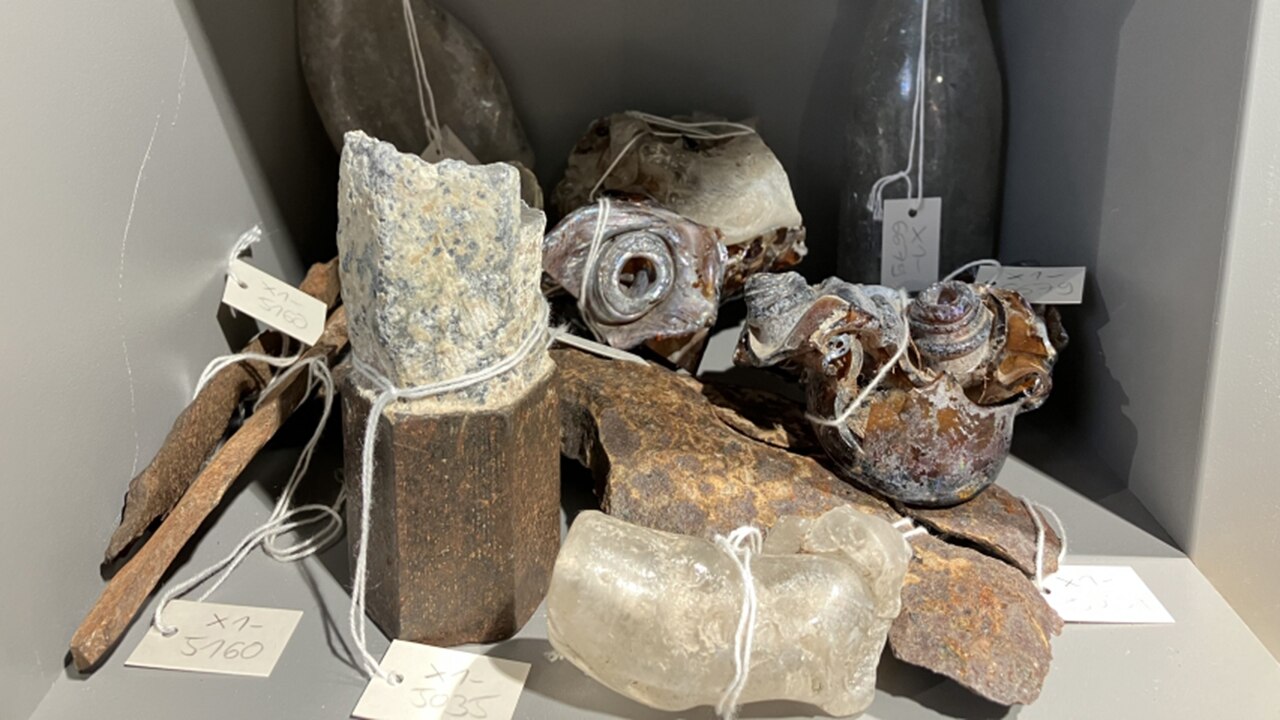
The objects presented here – shell fragments, melted glass vessels, and a part of a stick incendiary bomb – are testimonies of the bombardments and serve as reminders of the horrors of war.
textblock default title
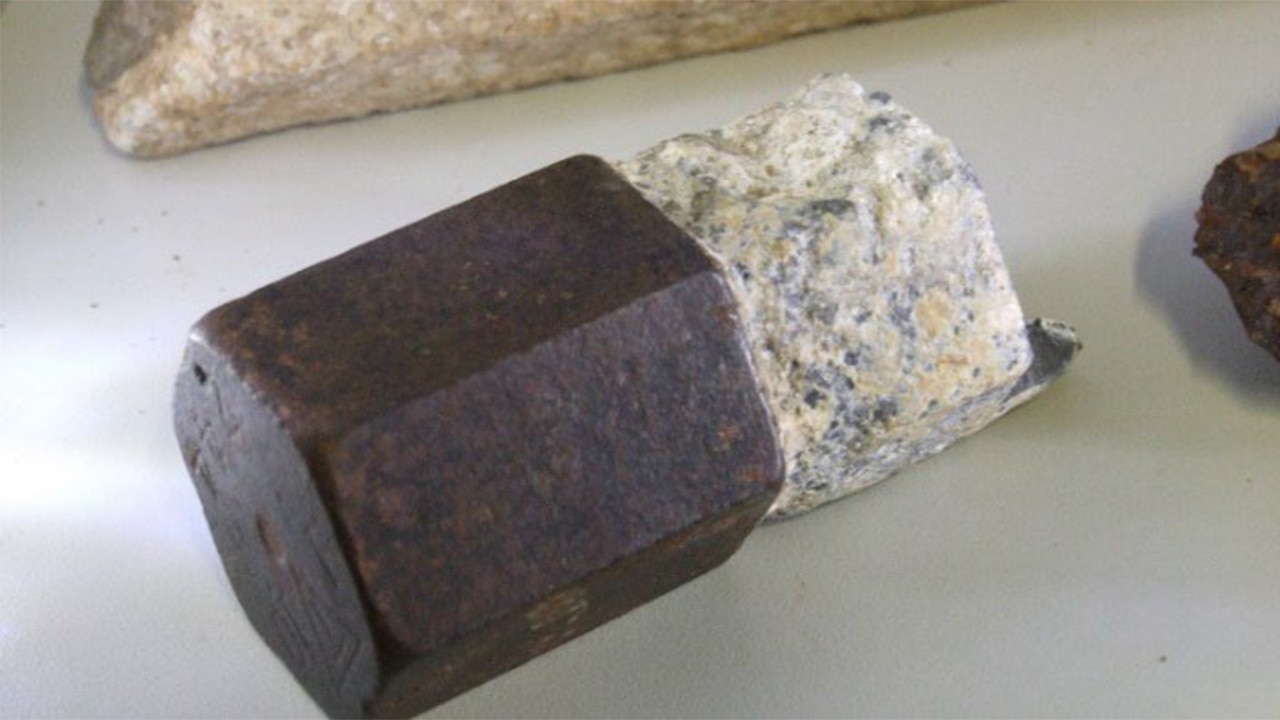
Stick incendiary bombs (also referred to as electron thermite sticks) are to be understood as ignition weapons:
They were used in area bombardments during World War II. In combination with previously dropped explosive bombs and aerial mines, a mass drop of stick incendiary bombs could trigger so-called firestorms, particularly in densely built old towns. This occurred on that September 11, 1944, in Darmstadt, where 286,000 such bombs were dropped. Initially, the aerial mines covered roofs and shattered window panes. This allowed enough oxygen to reach the fire sources and prevented the stick incendiary bombs from bouncing off slanted roofs. Special explosive bombs with time fuses hindered firefighting and salvage efforts.