


Select your Market
-
- Algeria
- Angola
- Benin
- Botswana
- Burkina Faso
- Burundi
- Cameroon
- Cape Verde
- Central African Republic
- Chad
- Comoros
- Congo
- Congo Democratic Republic
- Djibouti
- Egypt
- Equatorial Guinea
- Eritrea
- Ethiopia
- Gabon
- Gambia
- Ghana
- Guinea
- Guinea-Bissau
- Ivory Coast
- Kenya
- Lesotho
- Liberia
- Libya
- Madagascar
- Malawi
- Mauritania
- Mauritius
- Morocco
- Mozambique
- Namibia
- Niger
- Nigeria
- Reunion Islands
- Rwanda
- Saint Helena
- São Tomé and Príncipe
- Senegal
- Seychelles
- Sierra Leone
- Somalia
- South Africa
- Sudan
- Swaziland
- Tanzania
- Togo
- Tunisia
- Uganda
- Zambia
- Zimbabwe
-
- Albania
- Austria
- Baltic Region
- Belarus
- Belgium
- Bulgaria
- Croatia
- Cyprus
- Czech Republic
- Denmark
- Estonia
- Finland
- France
- Germany
- Greece
- Hungary
- Ireland
- Italy
- Latvia
- Lithuania
- Luxembourg
- Netherlands
- North Macedonia
- Norway
- Poland
- Portugal
- Romania
- Russian Federation
- Serbia
- Slovakia
- Slovenia
- Spain
- Sweden
- Switzerland
- Türkiye
- Ukraine
- United Kingdom
Rare Tumor Realities
Stories and Insights from the Rare Tumor Community
While "rare tumors" are uncommon by definition, the rare disease community as a whole is actually quite large. Thousands of rare diseases have been identified to date, impacting millions of individuals worldwide. Despite this shared experience, living with a rare disease can often feel isolating. In addition to the challenges unique to their specific condition, people living with rare diseases and their loved ones frequently encounter limited awareness, delayed diagnosis, and the desire to feel seen and understood.1 And this is not different within the rare tumors space.
1 IN 10
people are impacted by
a rare disease around the world1
For people living with rare tumors, receiving an accurate diagnosis can take time. The rarity and complexity of these conditions, coupled with symptoms that may resemble other conditions, can make the path to diagnosis challenging. In some cases, even highly experienced doctors may have never encountered certain rare tumors in practice because they are so uncommon.2,3,4


Rare Tumor Realities Intent to Bring Greater Visibility
to the lived experiences of people impacted by rare tumors and sarcomas, helping to foster understanding, connection and conversations around improving care.
Explore authentic patient stories and expert perspectives that illuminate the realities of living with rare tumors and help those impacted feel seen, heard and less alone.
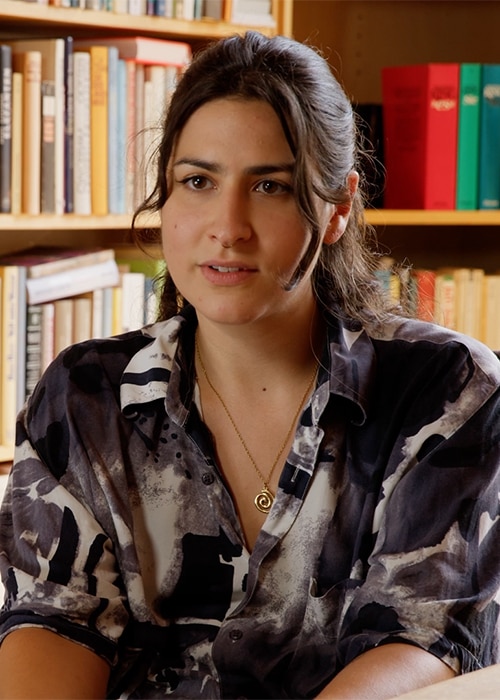
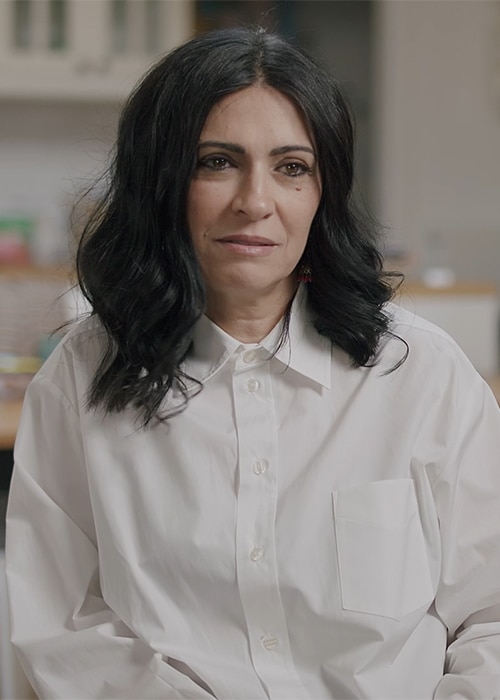
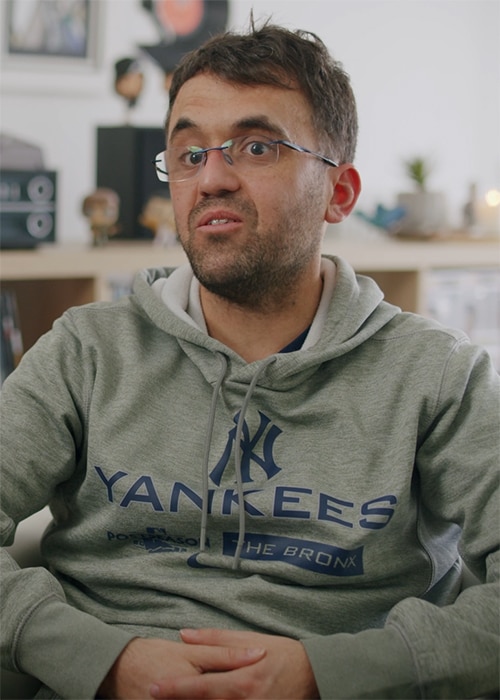
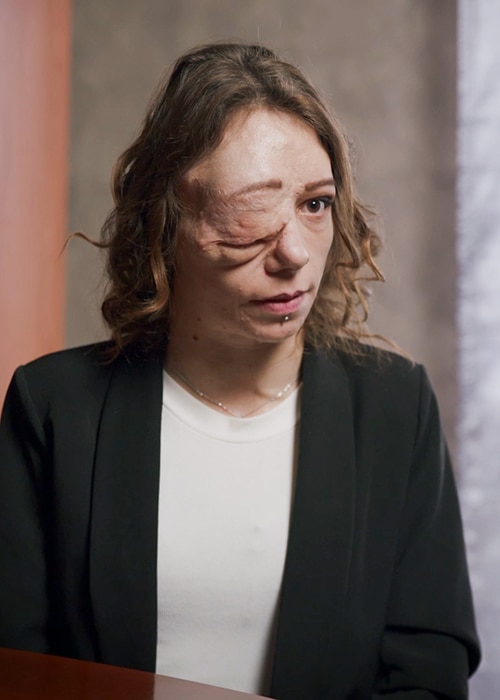
Hear from People Living with Rare Tumors
Rare tumors affect the body, mind and everyday life.5 Learn more about the challenges, hopes and experiences of people living with rare tumors.
Learn from Experts in the Rare Tumor Space
Rare tumor care is informed not only by science, but by patient and caregiver experiences. Through Rare Tumor Realities, experts across patient advocacy and medical affairs discuss the realities people living with rare tumors want others to understand and the role the broader care community can play in advancing awareness and support.


Our Commitment to the Rare Tumor Community
At Merck KGaA, Darmstadt, Germany, we focus on advancing specialty innovation where unmet needs are high, helping to improve and prolong lives.
Our global Rare Tumors therapeutic area builds on a strong foundation of both internal expertise and external innovation, and brings urgency, scientific rigor and patient-centricity to provide more meaningful outcomes for those living with these conditions.
References
- The Power of Being Counted. Global Genes / RARE-X. 2022. https://globalgenes.org/wp-content/uploads/RARE-X_be-counted-052722-WEB.pdf.
- Skubitz K. Biology and treatment of aggressive fibromatosis or desmoid tumor. Mayo Clin Proc. 2017;92(6):947-964. doi:10.1016/j.mayocp.2017.02.012.
- Ehrenstein V, et al. Tenosynovial giant cell tumor: incidence, prevalence, patient characteristics, and recurrence. A registry-based cohort study in Denmark. J Rheumatol. 2017;44(10):1476-1483. doi:10.3899/jrheum.160816.
- Stewart D, et al. Care of adults with neurofibromatosis type 1: a clinical practice resource of the American College of Medical Genetics and Genomics (ACMG). Genet Med. 2018;20(7):6771–682. doi:10.1038/gim.2018.28.
- Fournier H, et al. Psychosocial implications of rare genetic skin diseases affecting appearance on daily life experiences, emotional state, self‑perception and quality of life in adults: a systematic review. Orphanet J Rare Dis. 2023 Feb 23;18(1):39. doi:10.1186/s13023-023-02629-1.
GL-NONRDSARC-00011 September 2026